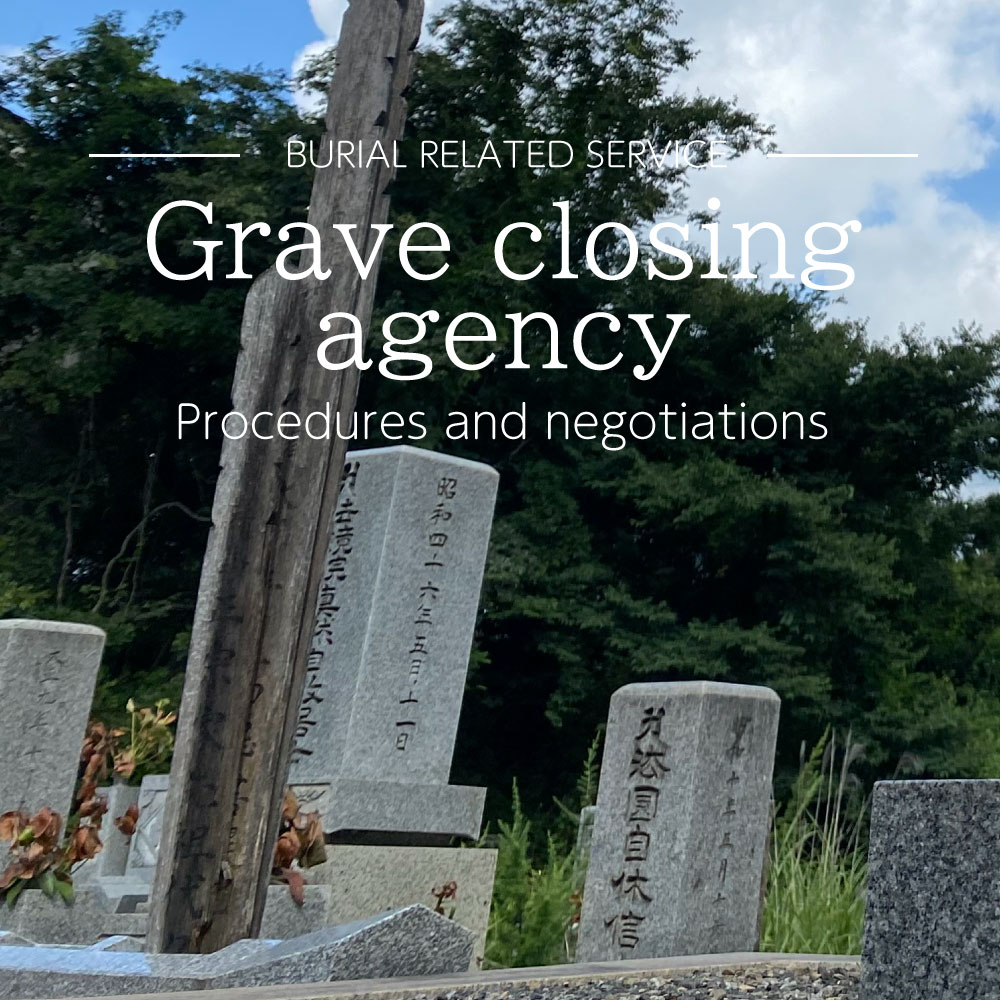
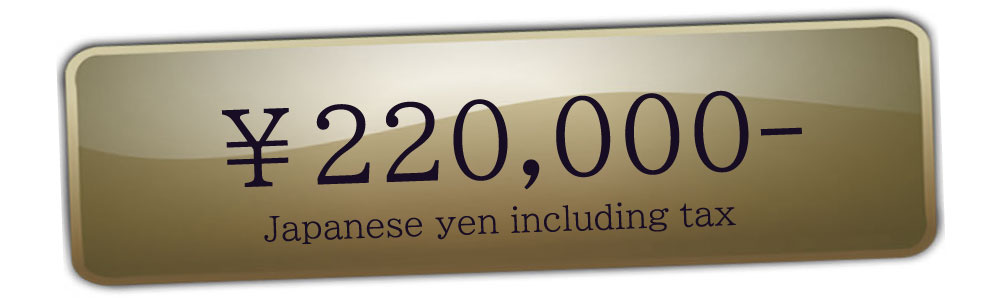
At SANKOTSUYAMAn, we offer grave closure services. Grave closure refers to the dismantling and removal of existing graves, clearing the land, and returning the right of use. Grave closure is a rapidly increasing social phenomenon. According to the Ministry of Health, Labor, and Welfare, more than 110,000 grave closures were carried out nationwide in fiscal year 2021. Japan's population is rapidly declining, while the population is aging and nuclear families are becoming more prevalent. As interpersonal connections weaken, the number of people dying alone, often without even knowing who their neighbors are, is on the rise. Even if family ties remain, an increasing number of people are choosing to close their graves themselves because they lack a successor to take over the grave or because they do not want their children to bear the burden of grave management. In some cases, visiting the grave itself becomes a burden due to the grave's remote location. Abandoned graves, abandoned graves with no successors, have been highlighted in the media as a social issue. However, in such a world, when it comes time to close a grave, it can be difficult to know where to begin. Let me explain the process. First, you must obtain the consent of other relatives. This is necessary, as proceeding without permission could lead to future conflicts between family members. At the same time, it's a good idea to obtain consent on what to do with the remains after the grave is closed. Consider options such as purchasing a new grave near your home, choosing a columbarium that requires less maintenance, or scattering the ashes. The process of closing a grave varies slightly depending on the cemetery. Cemeteries are managed by different managers depending on whether they are temple cemeteries, public or private cemeteries, or communal cemeteries. Temples may require a "temple detachment fee" as a thank-you fee for the memorial services provided for your ancestors and graves. This fee tends to be higher than the cost of a regular memorial service, and issues regarding the fee often arise. It is often said that a "closing ceremony" is required when removing the remains. In any case, costs will be higher than expected. To avoid any problems, it's important to negotiate skillfully. Also, when closing a grave, you'll need to request a stonemason to dismantle and remove the remains. Temples sometimes specify which contractors to use, and sometimes not. Costs vary greatly depending on the size of the gravesite and the tombstone, and even if you request a quote from a stonemason, the estimates vary widely, making negotiations time-consuming. When closing a grave, you'll also need to complete procedures with your local municipality. This process requires a lot of effort, so it takes some patience. If you're considering closing a grave and scattering the ashes, please contact SANKOTSUYAMA for assistance. There are two types of scattering: ocean scattering and forest scattering. Forest scattering allows relatives to visit, so even if the grave is gone, you still have a place to visit. By treating the mountain itself as a grave, you can use the scattering site as a grave when needed, without the hassle and expense of maintenance. |